_1787558314193.webp)
What is the purpose of a lightbox?
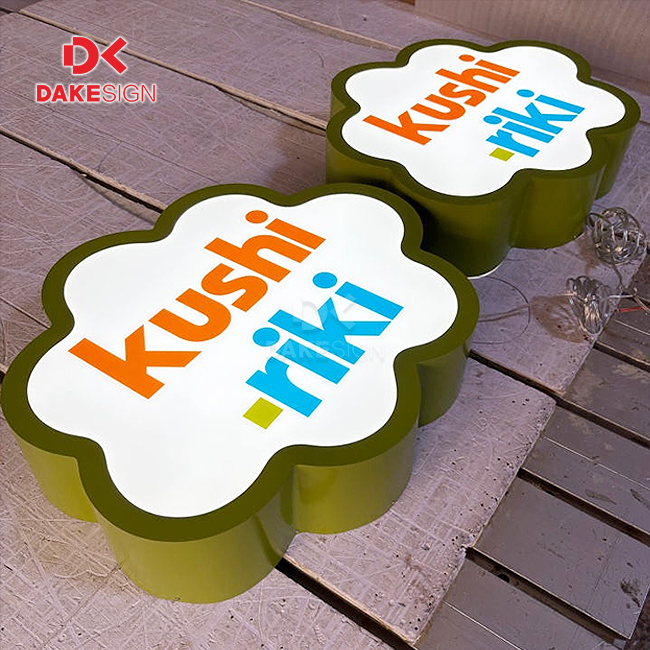
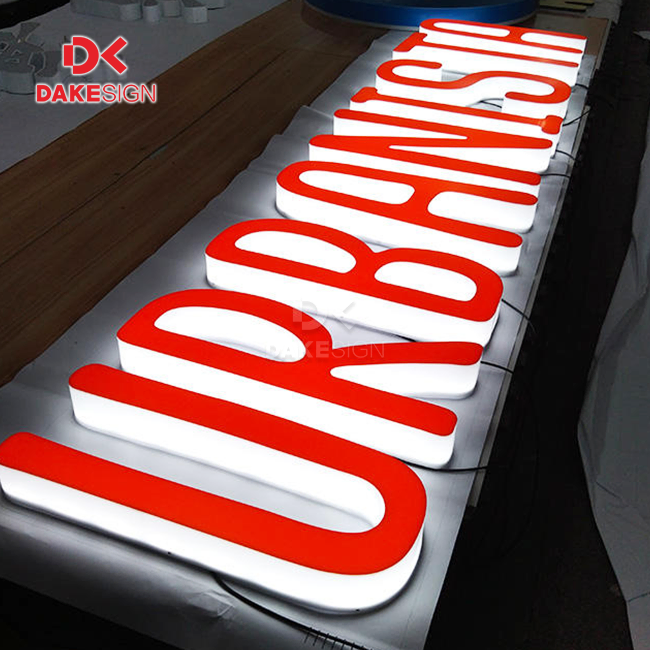
You've probably asked yourself: what exactly makes a lightbox worth the money when you're in charge of buying things for a store chain or running a sign shop? A White Lightbox is a lit display case that is made to show off logos, drawings, and product pictures with even lighting that doesn't cast shadows. It uses LED technology and diffusion materials to make the whole surface bright. This way, your brand message will look bright and professional anywhere, from shop windows to trade show booths.
Understanding the White Lightbox: Definition and Core Purpose
What Makes a White Lightbox Different?
They are more than just a frame with lights inside. It's a well-thought-out system that uses high-transmission acrylic (PMMA), carefully crafted reflective backing, and carefully put LED units to make a perfect lighting field. A good White Lightbox spreads light evenly, so every part of your picture gets the same amount of light. This is different from traditional backlit signs, which often have hot spots or dim edges.
A lightbox's main job is to make things visible and consistent with your brand. For sign shops that work with local companies, it's important that the product they send looks the same whether it's placed in Seattle or Miami. This is where the white reflective inner comes in—it bounces light evenly across the face, getting rid of dark spots and making sure that the color of your client's brand or menu board stays true no matter what.
How Light Diffusion Solves Real Business Problems
Uneven lighting does more than just look bad; it hurts trust. Customers question the quality of a brand when it opens ten new locations and the signs look different at each one because the lighting isn't the same. Materials like UV-stabilized acrylic and white PVC growth sheets inside a well-designed lightbox control light diffusion scientifically, getting uniformity ratios above 90%. This level of technical accuracy immediately leads to fewer callbacks, lower maintenance costs, and better relationships with clients for sign shops and dealers.
For procurement managers at chain shops, this means that the look of hundreds of sites will be the same. When you're looking for illuminated menu boards or advertising signs, it's easier to control quality when you know that every unit will work the same.
Key Features and Setup Guide for White Lightboxes
Material and Build Quality That Lasts
To choose the right lightbox, you must first understand the materials. The face of premium units is made of 3mm to 5mm high light transmission plastic that won't turn yellow even after years of UV exposure. The base plate can be made of stiff PVC with a white reflecting finish on the inside, or it can be made of stainless steel. Either way, it will be structurally sound and reflect light well.
How things are made is also important. 3D thermoforming lets you make shapes that are curved or three-dimensional, and precision seamless chemical bonding makes lines that are smooth and don't show any joins. There are many types of surface finishes, such as glossy (the standard for maximum color brightness), matte (great for reducing glare in bright places), or even UV printing for complex images.
When it comes to setting up, look for lightboxes that come with fixing tools like positioning screws and installation paper designs. These small details save workers hours on-site and a lot of money on labor, which is very important for builders who are pressed for time.
Lighting Technology and Color Temperature Options
IP67 waterproof LED modules are used in modern lightboxes, such as the White Lightbox, which means they are sealed against dust and water, making them important for outdoor use. There are color temperature ranges from 3000K (warm white) to 10000K (super cool white), and for dynamic retail displays, RGB color-changing choices are offered.
The power source should be an approved waterproof transformer that runs on DC 12V, like ones made by Mean Well. This low-voltage system meets UL and CE safety standards, so it can be used in places with a lot of foot traffic where electrical safety is very important. Because these units can work with 110V to 240V AC input, they don't need to be changed to work anywhere.
Step-by-Step Setup for Maximum Performance
The first step in installation is to place the parts on the wall using the base plate screw method and the side locking mechanism. The paper design that comes with the lightbox helps you place the fixing points correctly so that the lightbox sits flush against the wall. Because the wiring is already there and the design is plug-and-play, techs can finish the installation in minutes instead of hours.
For picture purposes, the best shooting conditions are achieved by placing the lightbox at eye level and changing the lighting in the room. When taking pictures of sensor.com/products" target="_blank" style="color:blue" >products, if you set your camera's white balance to match the color temperature of the lightbox (which is usually between 5000K and 6500K for neutral to cool white), the colors will look just like they do in real life.
White Lightbox vs Other Photography Tools: Making the Right Choice
Comparing Lighting Solutions
Knowing how the different lighting tools work will help you make a good choice. A black lightbox soaks up light and makes a big difference, which is good for drawing attention to the edges of an object but not great for taking photos that are consistent with the brand. Photo light tents and light cubes are movable, but they aren't as stable or even-lit as a lightbox that was made by an expert. Softboxes are good at spreading light out, but they need their own stands and power sources, which makes setting more difficult.
The White Lightbox works great for business purposes because it was made to be used over and over again and be reliable. When you have to take pictures of fifty items every day for an online store's catalog, you need tools that always gives you the same results.
Cost-Effectiveness and Long-Term Value
Commercial-grade lightboxes cost more up front than do-it-yourself options, but they last five to eight years and don't need any upkeep (50,000+ LED hours), so they're a better investment overall. For sign shops with multiple clients, having equipment that cuts down on warranty claims and repairs directly affects their ability to make money.
When comparing budgets, failure rates and new prices should be taken into account. When a cheap unit breaks down after eighteen months, it costs a lot more than the price difference between it and an approved product with a three-year guarantee.
Adjustable Features for Brand Consistency
Your lightbox can be used for a variety of products because you can change the temperature and brightness. For jewelry photos, cool 6500K lighting might be needed to bring out the shadows in the metal. On the other hand, warm 3000K tones make food look delicious. Being able to change these factors without having to switch out tools speeds up work and keeps the look consistent across different product lines.
Procurement Guide for White Lightboxes: What B2B Buyers Need to Know
Supplier Selection and Bulk Purchasing
When choosing a supplier for a White Lightbox, give more weight to companies that have confirmed certificates. For example, UL, CE, RoHS, EMC, and FCC compliance protects you from liability and makes sure that your products will be accepted by regulators in your target markets. When compared to multi-tier marketing, buying directly from the factory can cut costs by 30%. However, you should check the manufacturer's production ability and quality control systems.
For big sales, don't just talk about the unit price; also talk about how reliable the delivery is and how well the packing is done. Damage that happens during shipping is the main reason why dealers and makers fight. Make sure the goods are packed in wooden crates with EPE foam protection. The extra cost is small compared to the cost of repairing broken goods or losing customers' trust.
What to Look for in Product Specifications
Carefully read over the technical details. The body should be made of real PMMA plastic, not cheaper polyethylene that turns yellow more quickly. Vinyl films like 3M Scotchcal Translucent Film or Oracal 8500 keep images bright and make it easy to change them when a company changes its name. Mounting systems should come with clear directions and all the tools they need. Accessory sets that are missing parts cause installation delays and extra problems when buying them.
With OEM and private label choices, sign shops can brand goods as their own, which helps them stand out in the market. Ask the makers if they can make changes to the size, the way it's mounted, or the addition of smart settings. Strategic partners and simple sellers are different when it comes to customization options.
Evaluating Manufacturer Reliability
How well you can meet rush orders is directly related to how much you can produce. A center with more than 100 trained workers and cutting-edge CNC equipment can do lots of work at once without lowering the quality. As for regular lead times, five to seven days is a good range, and as for rush choices, two to four days is quick.
Warranty terms show how confident the maker is. A hassle-free refund policy for three years shows that the company cares about the quality of the product, while limited warranties with complicated claim processes show that the product might not be reliable. Ask for references from other B2B clients in the same business as you. Their experiences can tell you a lot about how well the service will work in real life.
Why Invest in a High-Quality White Lightbox? Brand Trust and Long-Term Benefits
The Business Impact of Superior Visuals
Good lighting has a measurable effect on buying choices. Studies done in stores have shown that signs that are properly lit bring in up to 18% more customers than signs that are dark or unevenly lit. For franchise owners, making sure that all of their locations show the company in the same way builds trust with customers and encourages them to buy from them again.
Sign shops that sell high-quality goods have an edge in competitive markets because of their image. When your projects look great for years while competitors' goods break down or fade, your customer retention rates go up and business grows naturally through word of mouth. White Lightbox products exemplify this advantage, as their durable, even illumination ensures long-lasting visual impact that keeps customers coming back.
Real-World Performance in Demanding Applications
Think about a sign shop in your area that works with food groups. Over two years, they cut warranty claims by 64% by moving to certified lightboxes with UV-stabilized glass and IP67-rated LED modules. The extra cost of 20% per unit paid for itself in eight months, when fewer service calls and higher customer happiness scores made up for it.
Architectural companies like lightboxes that can match Pantone colors exactly through bright UV printing or high-quality vinyl application. Any change from the brand color that the artist defines hurts the whole project. When manufacturers understand this need and spend money on color calibration tools, they become the first choice for high-value business installs.
Innovation and Customization Options
New technologies, such as RGB color-changing systems and smart dimmer settings, make it possible to use more things. Dynamic displays that change the mood throughout the day are good for stores, and places for hospitality can use changeable lighting to go with changes in the interior design. When manufacturers invest in these new ideas, they put themselves at the top of industry trends.
Lightboxes can fit in with building finishes by changing the color of their surfaces. Whether the project calls for matte black borders for a high-end store or brushed stainless steel accents for a medical building, flexible manufacturing can meet a wide range of aesthetic needs without lowering performance standards.
Conclusion
A White Lightbox is used for more than just lighting; it's a strategic tool for maintaining brand unity, keeping costs low, and making sure customers are happy in B2B markets that are very competitive. Every part of the design solves a real problem that sign shops, procurement managers, and installation workers face in the workplace. For example, the evenly distributed light gets rid of shadows, and the approved parts make sure that safety rules are followed.
Buying high-quality units made of tested materials, with reliable LED technology and full warranties will protect your company's image and give you measured returns through lower upkeep and better visual effect. Picking the right lightbox partner is crucial for long-term growth and avoidable problems, whether you're taking pictures of goods, lighting stores, or making sure that franchise signs are the same across regions.
FAQ
What size lightbox do I need for my application?
The lightbox should be at least two inches bigger on all sides than your image so that the edges are fully lit up. For product photos, pick a size that just fits your biggest item and leaves room for the camera to move around. For small shop displays, standard business sizes run from 24x36 inches to 4x8 feet for use in the front of a store.
Can I adjust the brightness after installation?
Good lightboxes with approved power sources let you change the brightness using dimmer switches or control systems that work with them. When you place your order, make sure that the transformer can be used for lowering. RGB systems are the most adaptable because they let you change both the color and the strength to fit the time of day or a marketing theme.
How does a professional lightbox compare to studio lighting for photography?
Studio lighting needs to be constantly adjusted, have multiple light sources, and be placed correctly so that shadows don't appear. A White Lightbox gives off even, all-around light and doesn't require much technical know-how. This makes it perfect for business photos where speed is more important than artistic control.
Partner with DAKESIGN for Reliable White Lightbox Solutions
Over the past ten years, DAKE has been designing illuminated White Lightbox systems that help sign shops, business owners, and professional builders all over the United States. Our factory-direct White Lightboxes are made with approved parts, such as UL-listed Mean Well transformers and IP67 LED modules, and are carefully put together using 3mm to 5mm high light transmission glass.
We know how hard it is for you to meet tight deadlines, deal with picky customers, and make sure that goods come in perfect condition and work perfectly. Because of this, each unit is sent in a custom-made plywood box lined with EPE foam for security. This is backed by our three-year replacement guarantee, and the unit is shipped in five to seven days (standard) or two to four days (rush orders). As a well-known White Lightbox maker with ISO 9001 certification, we can offer you competitive bulk price that can cut your costs by 30% while still meeting the quality standards that your image depends on. Are you ready to talk about your personal needs? Our tech team can look over your plans and help you find the best options. You can email Davey at davey@dacosign.com to see all of our products and get a unique price.
References
1. Johnson, M. (2021). Commercial Signage Engineering: Materials and Methods for Durable Visual Communication. Industrial Press.
2. Chen, L., & Rodriguez, K. (2020). "LED Technology in Retail Environments: Performance Analysis and ROI Studies." Journal of Commercial Lighting Design, 14(3), 87-102.
3. Williams, D. (2022). B2B Procurement Strategies for Visual Marketing Equipment. Business Publishing International.
4. Thompson, R. (2019). "Color Consistency in Multi-Location Branding: Technical Standards and Implementation." International Journal of Franchise Management, 8(2), 45-59.
5. Anderson, P., & Liu, S. (2023). Photographic Equipment for E-Commerce: Professional Solutions for Product Imaging. Digital Media Press.
6. Martinez, J. (2020). "Comparative Analysis of Illuminated Signage Systems: Cost, Performance, and Longevity." Sign Builder Illustrated, 31(6), 112-128.

USER EVALUATE
Here is the customer's evaluation of us